
Understanding Mold: Protect Your Cascade, Michigan Home
Posted on June 8, 2026
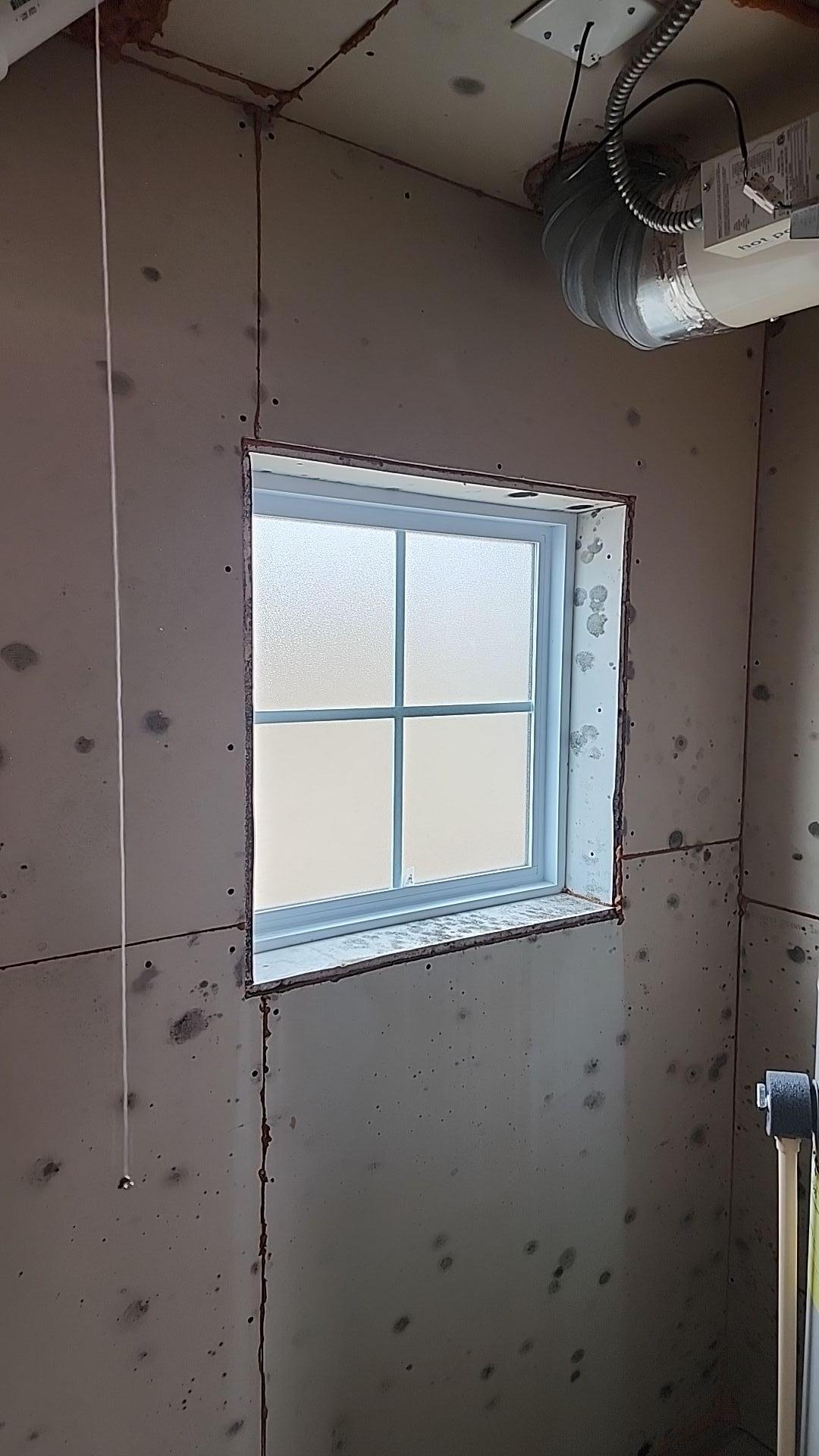
Mold is an uninvited guest in many households, silently growing and spreading, often unnoticed until it becomes a real problem. For homeowners in Cascade, this can be a major concern due to the region's varying climate conditions, which create an ideal breeding ground for mold. From minor inconveniences to major health risks, mold poses a threat that should not be underestimated.
What Causes Mold and How Can You Prevent It?
Mold thrives in warm, damp environments. It can begin with something as simple as a minor roof leak or even excessive humidity indoors. Once mold spores find the right conditions, they multiply rapidly, sometimes leading to structural damage and health complications.
Keeping your home well-ventilated and adequately insulated are effective ways to prevent mold growth. Regular inspections, especially in basements and areas that are prone to dampness, can help you catch the problem before it spirals out of control.
If you suspect mold in your home, it's crucial to act swiftly. Removing mold isn’t just about wiping away visible spots; it requires comprehensive inspection and specialized treatment.
Professional Mold Removal in Cascade, Michigan
Our teams are always ready to help residents of the greater Cascade area tackle mold problems head-on. We understand the unique needs of Cascade homeowners and tailor our approach to suit each situation.
Using state-of-the-art technology and years of expertise, we ensure that mold is eradicated swiftly and effectively. For a secure and healthy home environment, consider utilizing our professional services in Cascade for a complete solution to your mold issues.
Cascade residents shouldn’t have to worry about mold taking over their homes. We’re dedicated to providing peace of mind through expert mold removal and prevention strategies.